Home / Termite Protection
Termite Protection for Perth Homes: Stop the Problem Before It Starts
Termite barriers and monitoring systems help reduce the risk of termites reaching your home. We'll help you choose the right option for your property and budget.
Prevention costs less than repairs
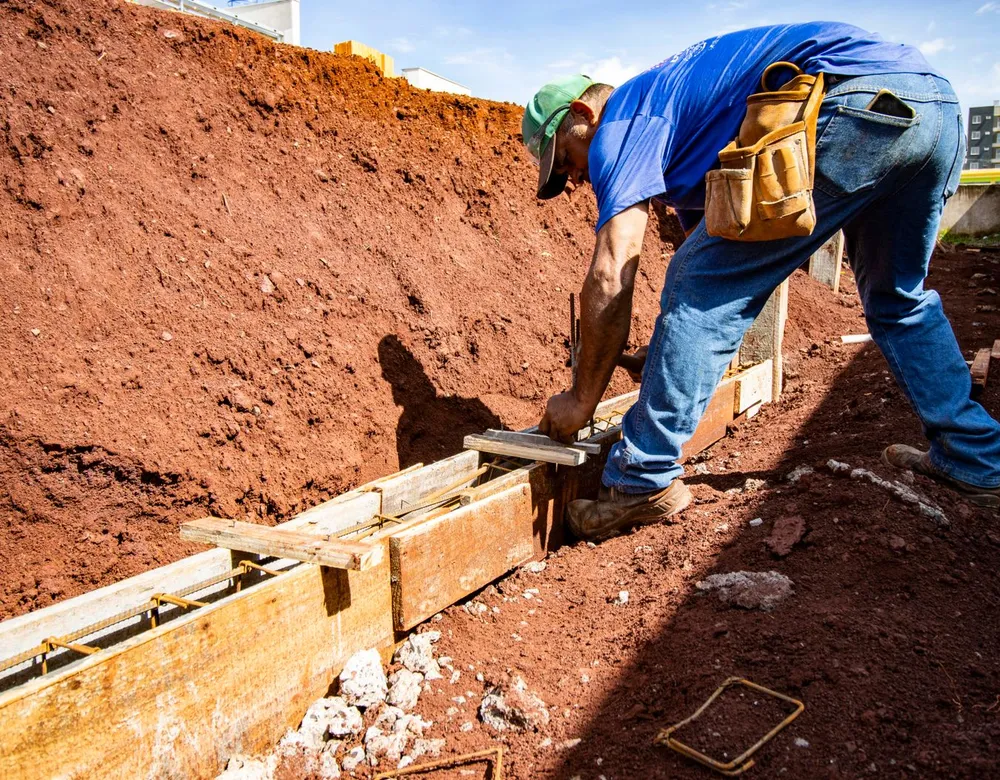
Termite damage can be expensive to repair, and it's rarely covered by home insurance. A termite management system won't make your home termite-proof, but it greatly reduces the risk of termites reaching your timbers undetected.
Combined with regular inspections, it's one of the most practical things you can do to protect the value of your property.
Your main options
There are two main approaches to ongoing termite protection. Many properties benefit from one, and some suit a combination.
Chemical soil barriers
A chemical barrier creates a treated zone in the soil around and, where accessible, under your home. Termites travelling through the soil come into contact with the treatment.
Works continuously once installed
Suited to homes with good access around the perimeter
May require drilling through paving or concrete paths
Has a service life and will need re-treatment over time

Baiting and monitoring systems
Monitoring stations are installed in the ground around your home. They're checked regularly. When termites are found feeding in a station, bait is added, which termites carry back to their colony.
Suits homes where soil barriers are difficult or disruptive
Little drilling or disturbance to paving
Can treat the colony itself
Requires regular servicing to work
New builds and renovations
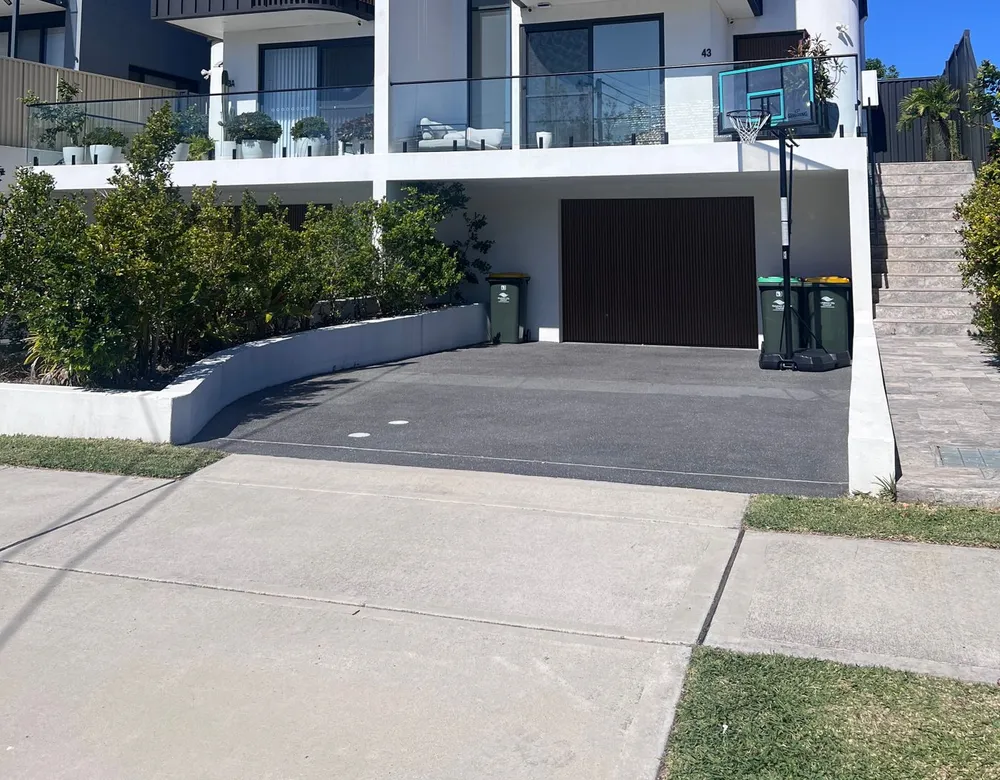
New homes in Perth are built with a termite management system, often a physical or chemical barrier installed during construction. These systems still need regular inspections, and they can be compromised over time by landscaping, extensions, paving or garden beds built over the barrier.
If you're renovating or adding an extension, talk to us before work starts. It's much easier to plan protection for new areas during construction.
Help your system work
Keep garden beds, mulch and soil below the slab edge and away from weep holes
Fix leaking taps, downpipes and air conditioner drains near the house
Don't store timber, firewood or boxes against walls
Keep the area around the home's perimeter visible for inspection
Book an inspection at least once a year
These simple habits make it much harder for termites to slip past undetected.
What it costs
The cost depends on your home's size, construction, access and the system you choose. Baiting systems usually include ongoing servicing costs, while chemical barriers have a higher upfront cost and need renewal after their service life. We'll give you a clear comparison so you can decide.
Why Perth homes are vulnerable
Subterranean termites live in the soil and travel through it to find food. Perth's sandy soils are easy for them to tunnel through, and reticulated gardens keep the soil moist close to the house. Termites can squeeze through gaps as small as a couple of millimetres, such as cracks in a slab, service penetrations for pipes and cables, or construction joints.
Once inside, they look for timber: roof framing, door frames, skirting, cabinetry and even stored boxes. A management system reduces the chance that they reach it unnoticed.
Keeping track of your protection
Ask for documentation after any termite management system is installed. It should record what was installed, where, when and when the next service or inspection is due. Keep a durable notice in your meter box or roof void too, as this is standard practice and helps future inspectors.
If you're buying a home, ask the seller for these records. They tell you a lot about how well the property has been looked after.
Related services
FAQs
Frequently asked questions
Is a termite barrier or baiting system better?
Neither is better for every home. Barriers suit homes with good perimeter access, while baiting systems suit homes where drilling would be disruptive. We'll recommend what suits your property.
How long does a chemical barrier last?
It depends on the product, soil conditions and disturbance. Each product has a service life, and we'll tell you when re-treatment is likely to be due.
Do baiting systems need servicing?
Yes. Stations must be checked regularly so termite activity is found and baited in time.
Does a barrier mean I don't need inspections?
No. Inspections are still recommended at least every 12 months to check the system and look for any activity.
My home is new. Is it already protected?
New homes have a termite management system installed during construction. Check your builder's documentation and keep up with inspections, as systems can be bridged over time.
Will installing a barrier damage my paving?
Some chemical barriers need small holes drilled through paving or concrete, which are then sealed. Baiting systems usually involve less disturbance.
Can I install a barrier myself?
No. Termite management systems must be installed by licensed pest management technicians to meet standards and work properly.
How much does termite protection cost?
Costs vary with home size, access and system type. We'll provide a written quote after inspecting your property.
Get started
Talk to us about protection
Every property is different. We'll inspect your home, explain which options suit it and why, and give you a written quote. No pressure, just honest advice.
Ready to protect your home? Call Your Pest Experts on 08 6245 3186 and we'll help you choose a termite management system that fits your property, your household and your budget.
Get in touch
08 6245 318661 Scarborough Beach Road, Mount Hawthorn WA 6016
Serving the Perth metro area. Tell us your suburb and we'll confirm a time that suits.