
Home / Ant Control
Ant Control in Perth: Stop the Trail at the Source
Wiping up an ant trail only works until tomorrow. We find where they're coming from and treat the colony, so you get real relief.
Why Perth has so many ants
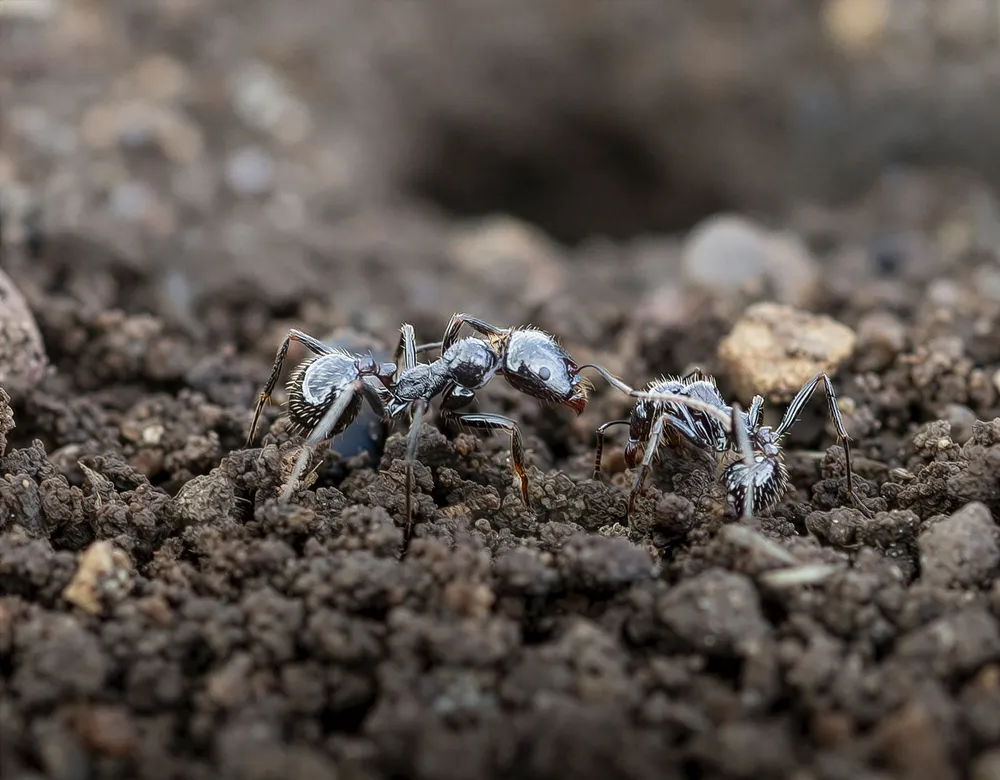
Perth's sandy soil and warm, dry climate suit ants perfectly. Nests form easily under paving, along slab edges and in garden beds. As the weather warms, colonies grow and workers range further looking for food and water, often straight into your kitchen.
Coastal brown ants are especially common. They push up small piles of sand between pavers and along the edge of floors, and their trails can seem endless.
Why sprays from the shop don't last
Surface sprays kill the ants you see, but most of the colony stays safely in the nest. The queen keeps laying eggs, and a new trail appears within days. Some sprays can even cause colonies to split, creating more nests.
Effective ant control means getting treatment back to the colony.
How we treat ants
Identify the ant
Different species respond to different baits and treatments.
Follow the trail
We track ants back to where they're entering and, where possible, to the nest.
Treat the colony
We use targeted baits and non-repellent treatments that workers carry back to the nest.
Protect the perimeter
We treat around entry points to reduce new activity.
Common ant problems we see
Trails across kitchen benches and into pantries
Ants coming up through floor tile grout and skirting
Sand piles between pavers and along the driveway
Ants around bathroom basins and showers looking for water
Ants nesting in pot plants and garden beds near the house
Ants in electrical boxes and air conditioner units

Be patient with baits
When we use baits, you may see more ants for a day or two as they feed and carry the bait back. That's a good sign. Avoid wiping the trail or spraying them during this time, as it interrupts the process. Activity usually drops noticeably within a week or two.
Keep them away
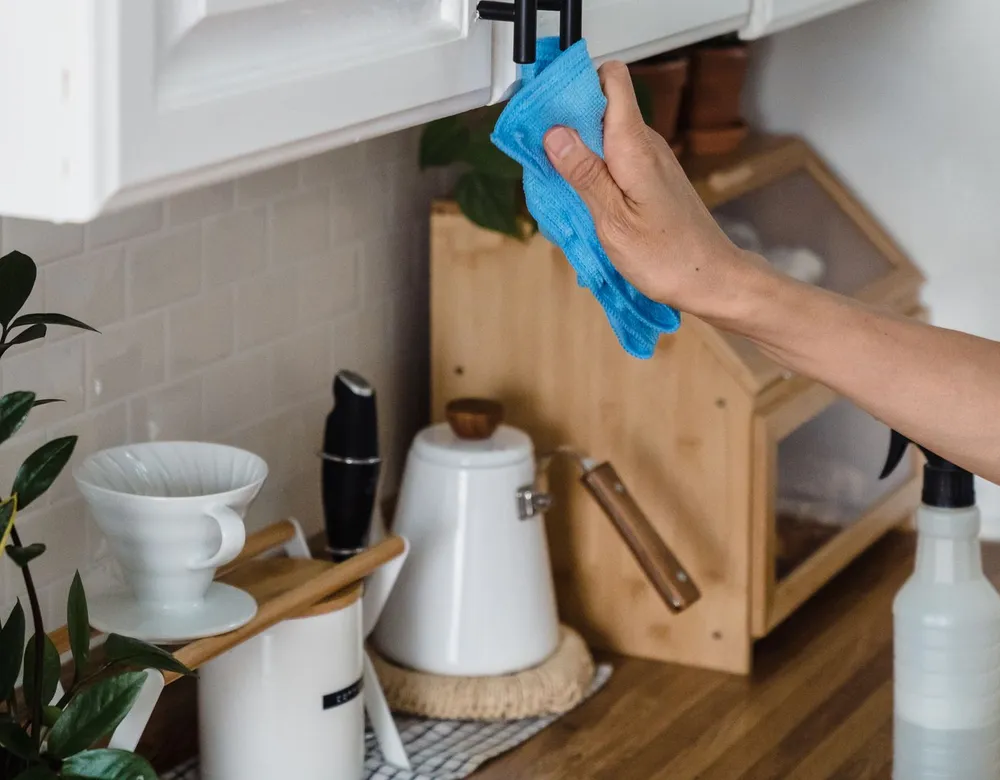
Wipe benches and sweep floors daily, especially around the toaster and bin
Store sugar, honey, cereal and pet food in sealed containers
Fix dripping taps, as ants are drawn to water
Seal gaps around pipes and along skirting where possible
Keep mulch and garden beds away from the house walls
Ants and your paving
Over time, ant nests under pavers can wash out the sand bedding, leaving pavers uneven and wobbly. If you've noticed sand piling up in the same spots each summer, it's worth treating before the damage spreads.
Once the colony is under control, sweep the sand back into the joints or consider a polymeric jointing sand to discourage new nests.
Ants inside walls and power points
Some ants nest inside wall cavities and are attracted to electrical equipment, including power points, switchboards and air conditioning units. If you see ants coming out of a power point, don't try to treat it yourself. We'll use safe, targeted methods and recommend an electrician if anything is damaged.
Rental and strata properties
Ant colonies don't stop at fence lines or unit boundaries. In townhouses and apartments, ants may be nesting in common gardens or neighbouring properties. We can work with strata and property managers to treat shared areas, which gives longer-lasting results than treating one unit alone.
Related services
FAQs
Frequently asked questions
Why do ants keep coming back?
Surface sprays usually miss the colony. As long as the queen survives, new workers will keep appearing. Treatment needs to reach the nest.
How long does ant treatment take to work?
Many customers notice a big drop within a week or two. Some species and larger colonies take longer.
Should I spray the ants after treatment?
No. Spraying can stop ants carrying treatment back to the nest. Let them feed and the colony will decline.
What are the piles of sand between my pavers?
They're usually caused by ants, often coastal brown ants, digging nests under the paving.
Is ant treatment safe for pets?
Let us know about your pets when booking. We'll place treatments carefully and explain any precautions.
Why are ants in my bathroom?
Ants often look for water in bathrooms, especially in hot, dry weather. Fixing drips helps.
Can ants damage my home?
Some ants can damage paving, garden beds and electrical equipment. Most are a nuisance rather than a structural threat.
Is ant control included in general pest control?
Yes, a general treatment includes ants. Heavy infestations may need a dedicated ant treatment.
Get started
Let's stop the trail
Ants can be persistent, but they're very treatable with the right approach. Call 08 6245 3186 or book online and tell us where you're seeing them.
Tired of ants marching across your bench? Call Your Pest Experts on 08 6245 3186 and we'll find the nest and deal with it properly.
Get in touch
08 6245 318661 Scarborough Beach Road, Mount Hawthorn WA 6016
Serving the Perth metro area. Tell us your suburb and we'll confirm a time that suits.